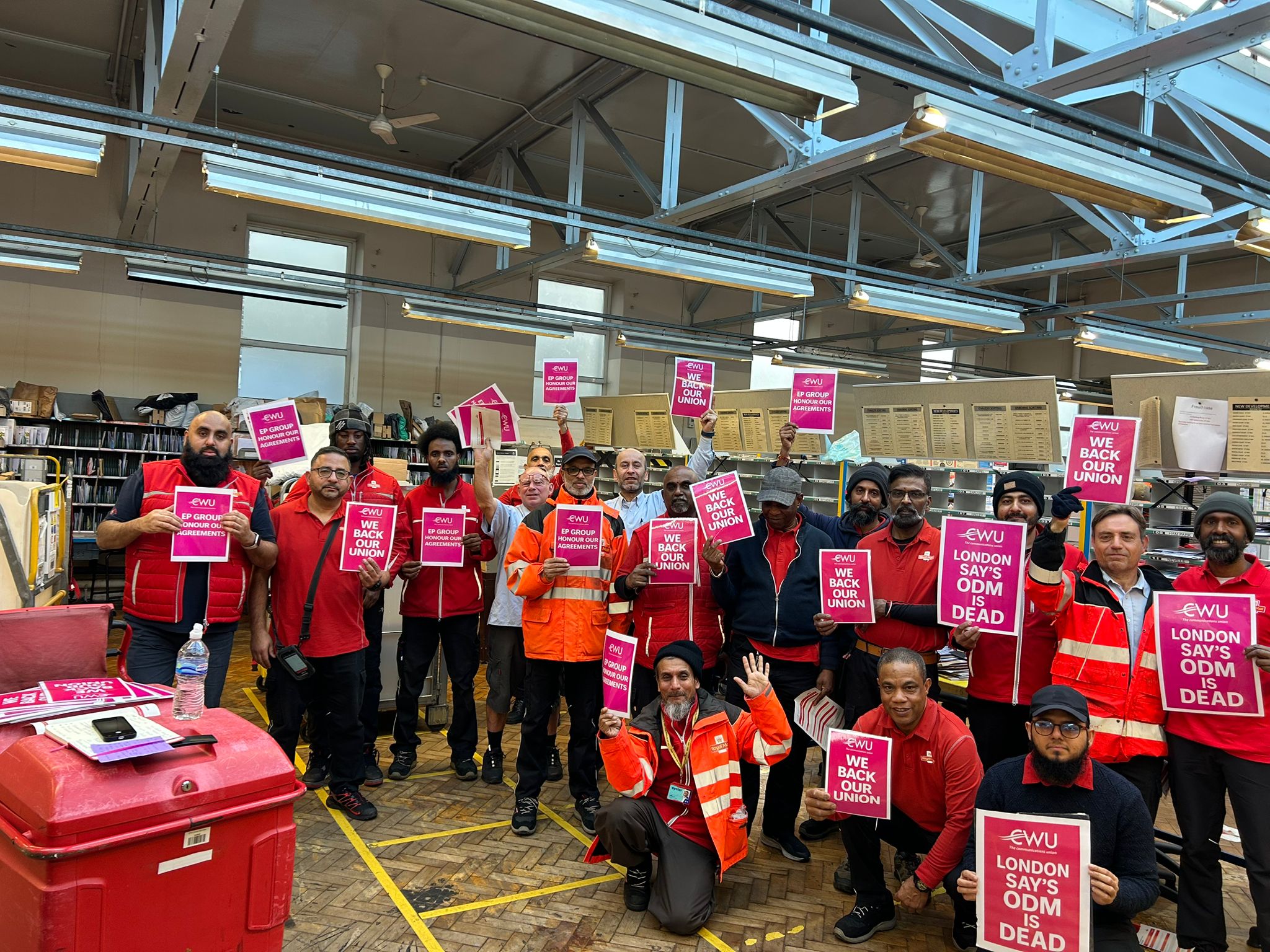
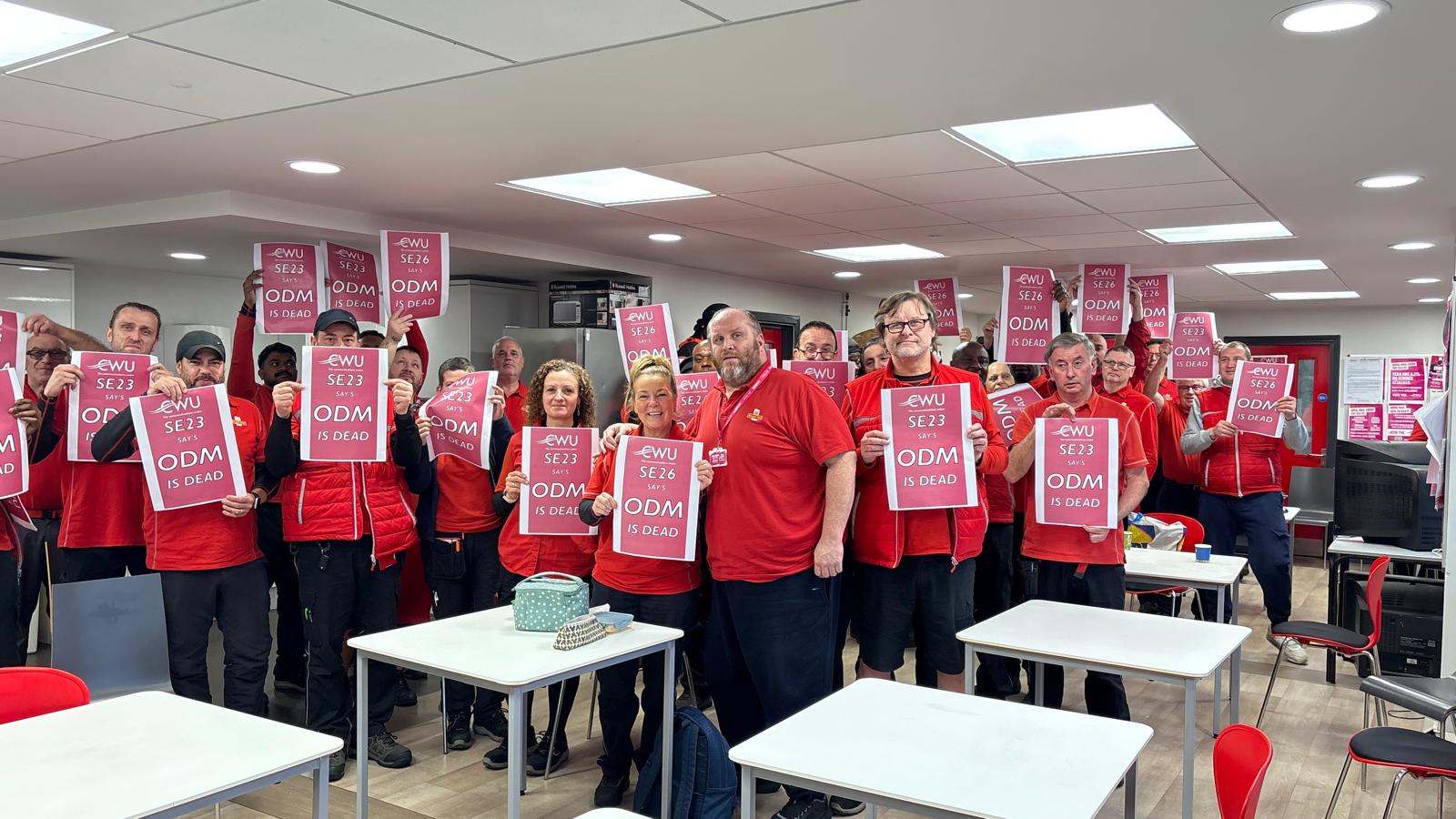
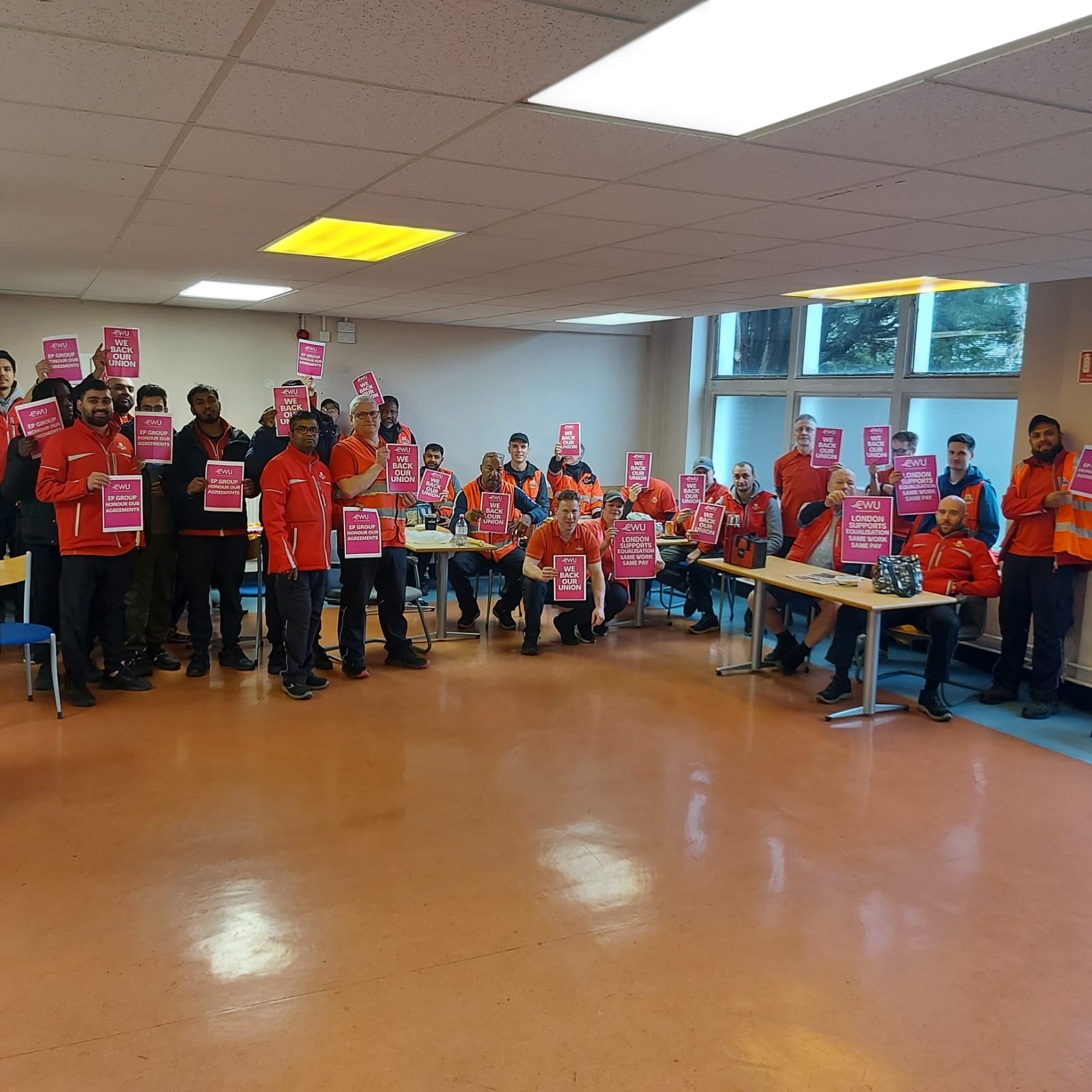
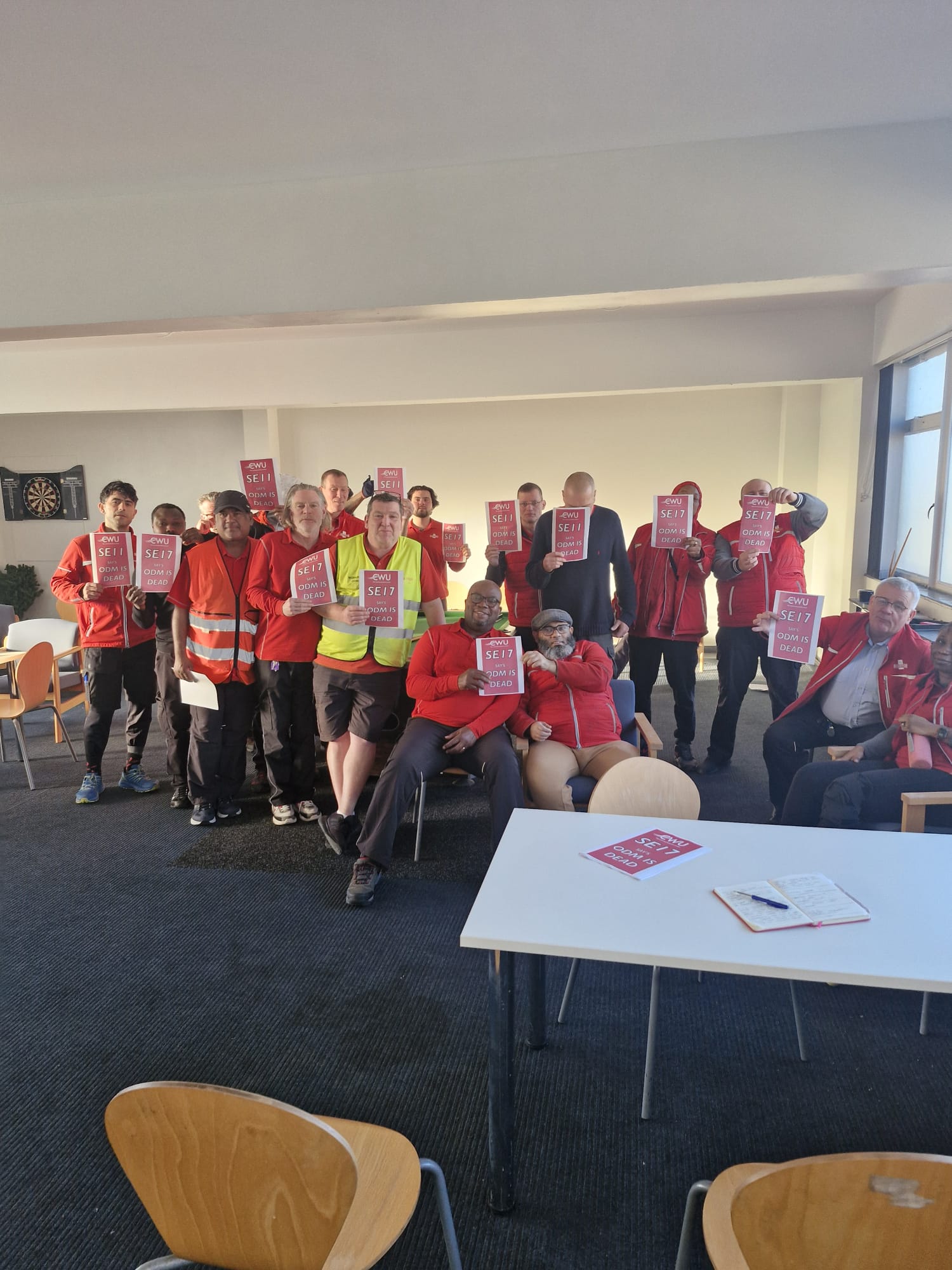
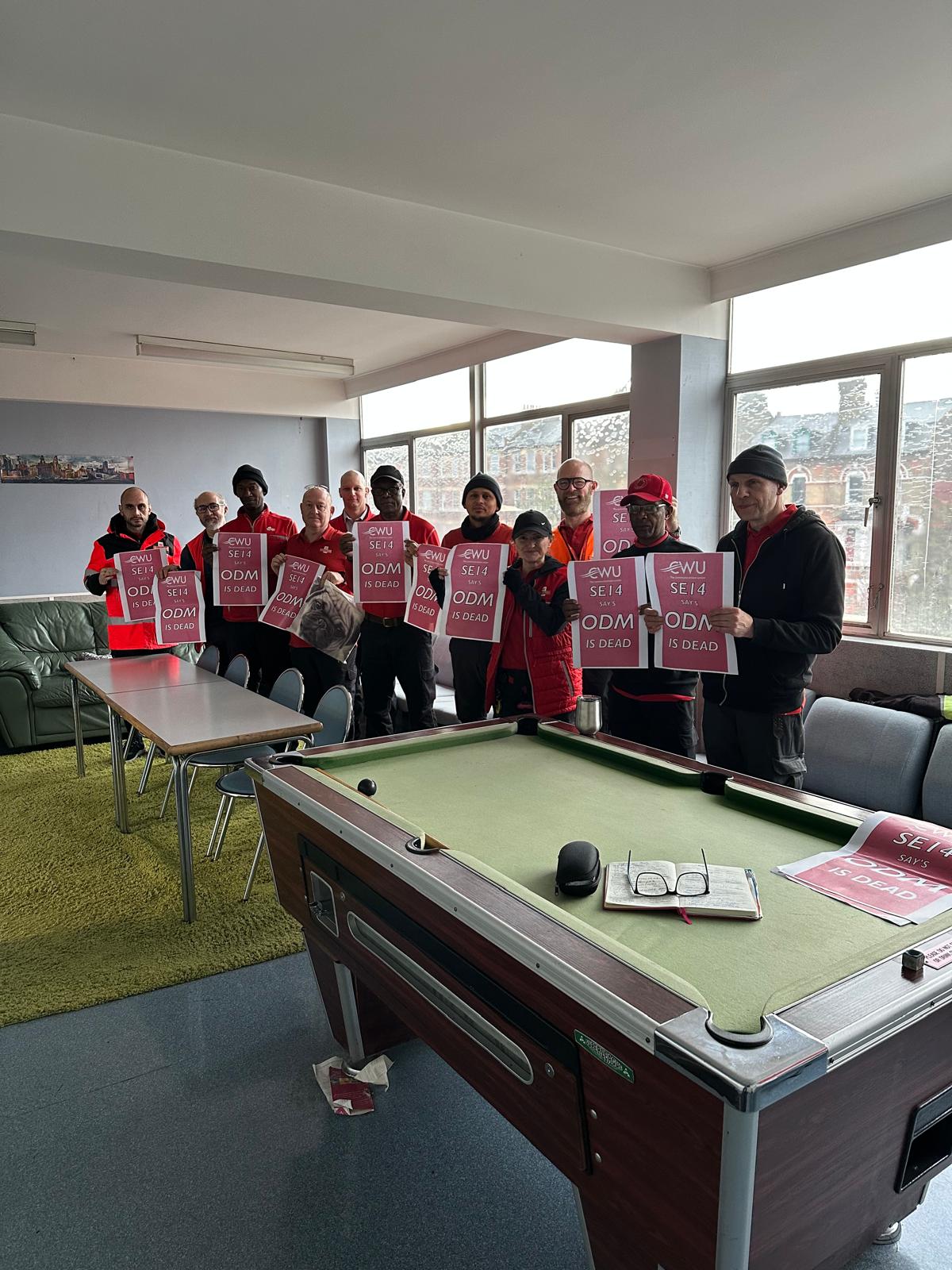
WHAT IS THE OPTIMISED DELIVERY MODEL (ODM)?
This is the approach Royal Mail developed for implementing Ofcom’s rule changes for the USO (Universal Service Obligation) to allow for second-class mail to be delivered every other day, Monday-to-Friday; first-class mail Monday-to-Saturday; with parcels continuing to be delivered six days and on Sunday.
Since March 2025, the ODM has been trialled in 35 pilot delivery offices UK wide. It involves four delivery duties being covered by three people, with one person covering two deliveries (first-class and priority items only, called a combined duty) and two people then covering the other duties (all mail, called the core duty). The deliveries switch, so each duty receives an all-mail service every other day.
WHAT WAS THE AIM OF THE TRIALS?
It was recognised that, given the scale of change under USO reform, trials would be needed to ensure that the changes would work. The pilots were based on success criteria as agreed between the CWU and Royal Mail, these covered:
- Maintain or improve Quality of service on all products against all regulatory and commercial targets.
- Resourcing will be robust and reliable.
- Workload on all routes/walks is manageable in line with planned assumptions and seeks to reduce fatigue.
- Average weekly attendances and frequency of Saturday attendances are reduced.
The CWU entered into the trials in good faith, recognising the need for wider USO reform in an ever-changing world of communication.
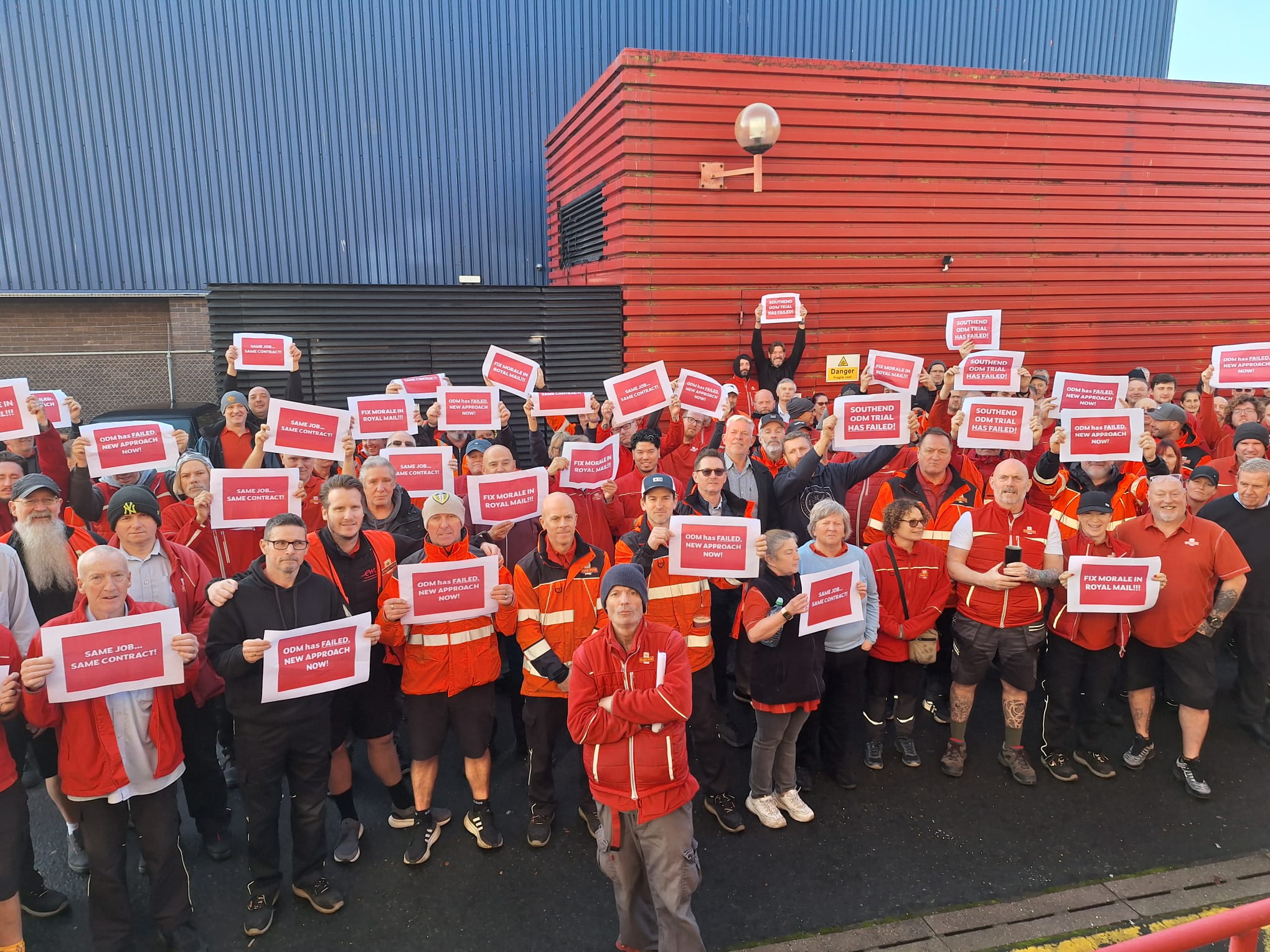
WHY DOES THE CWU BELIEVE ODM HAS FAILED?
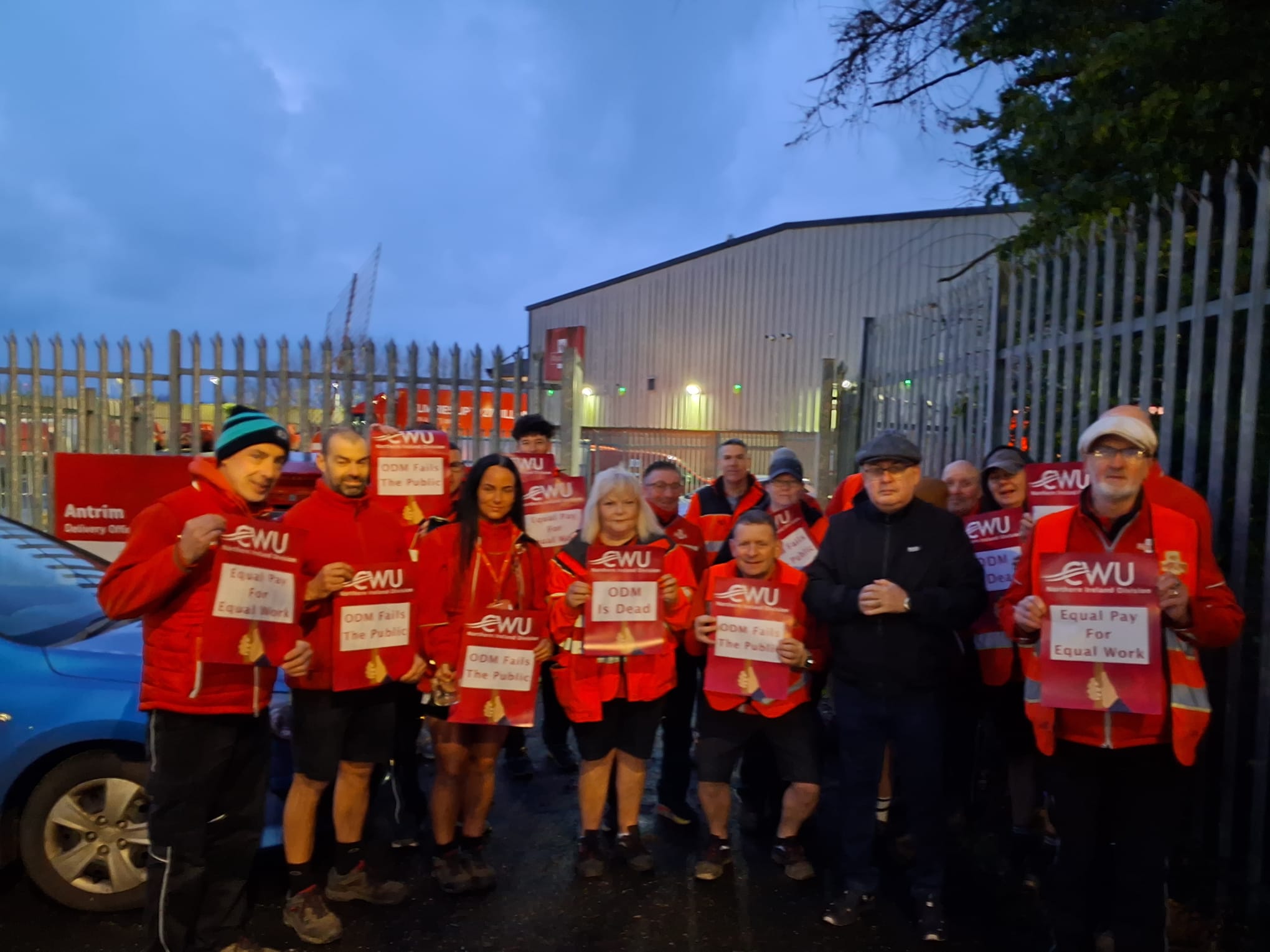
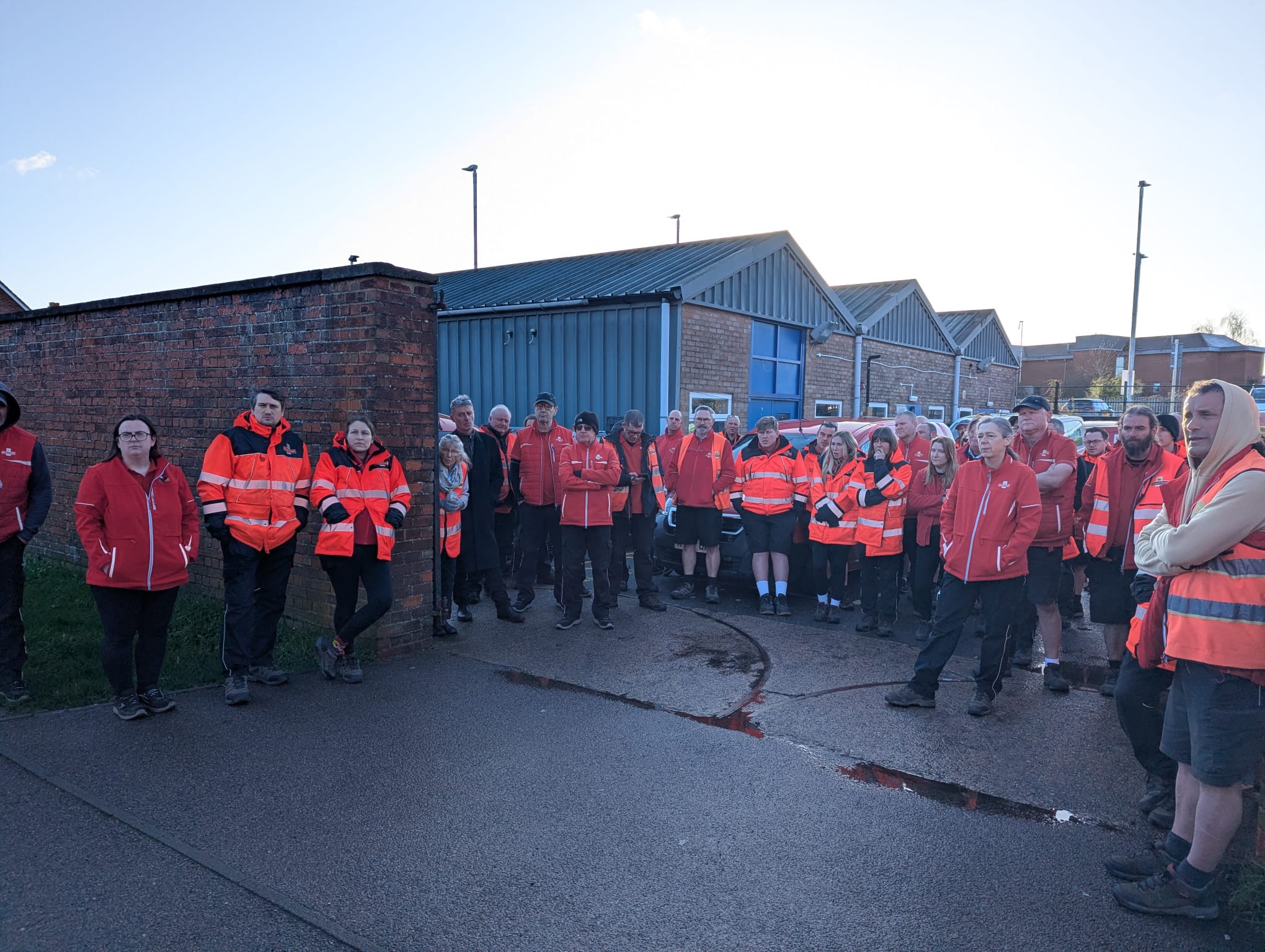
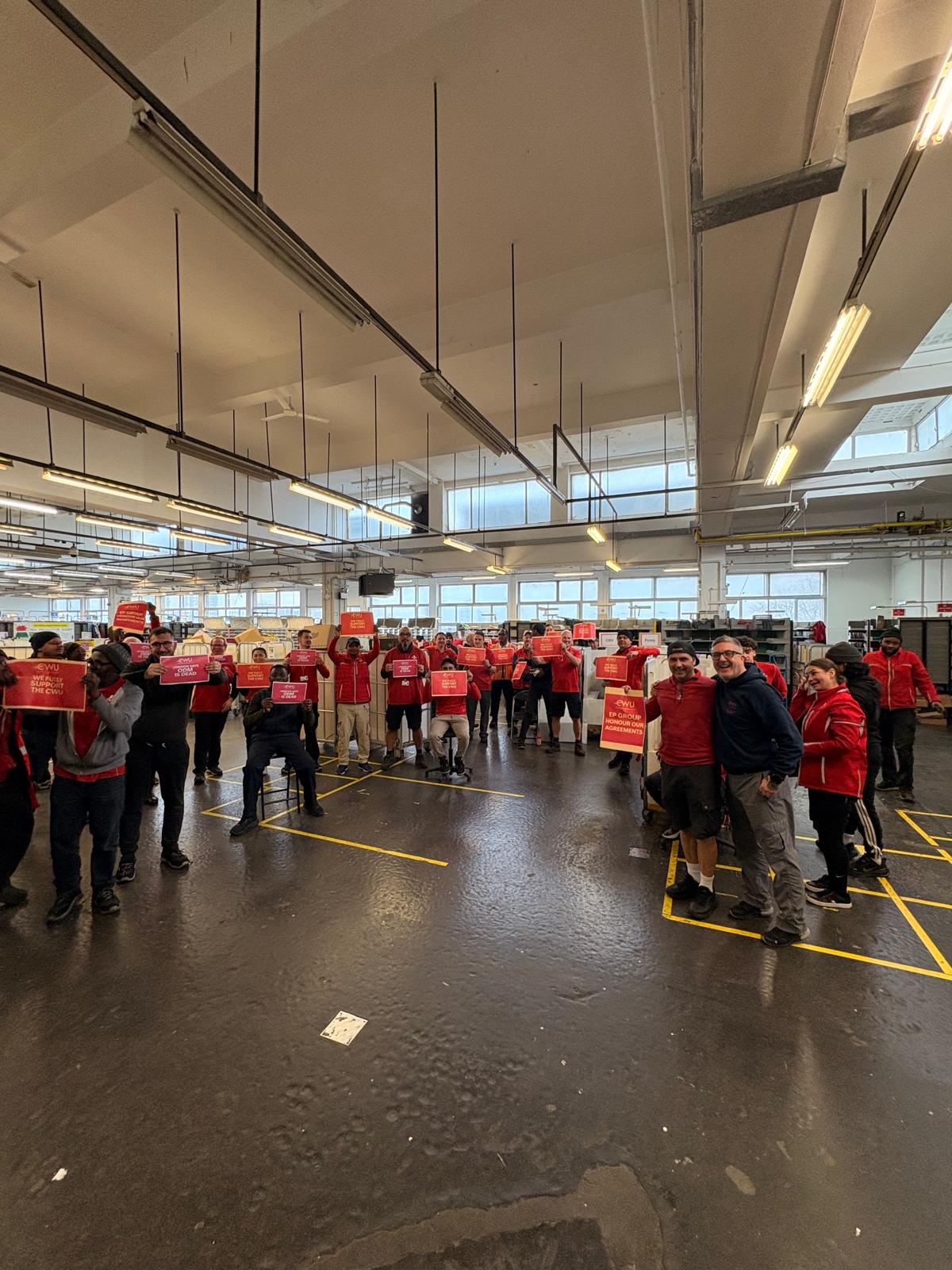
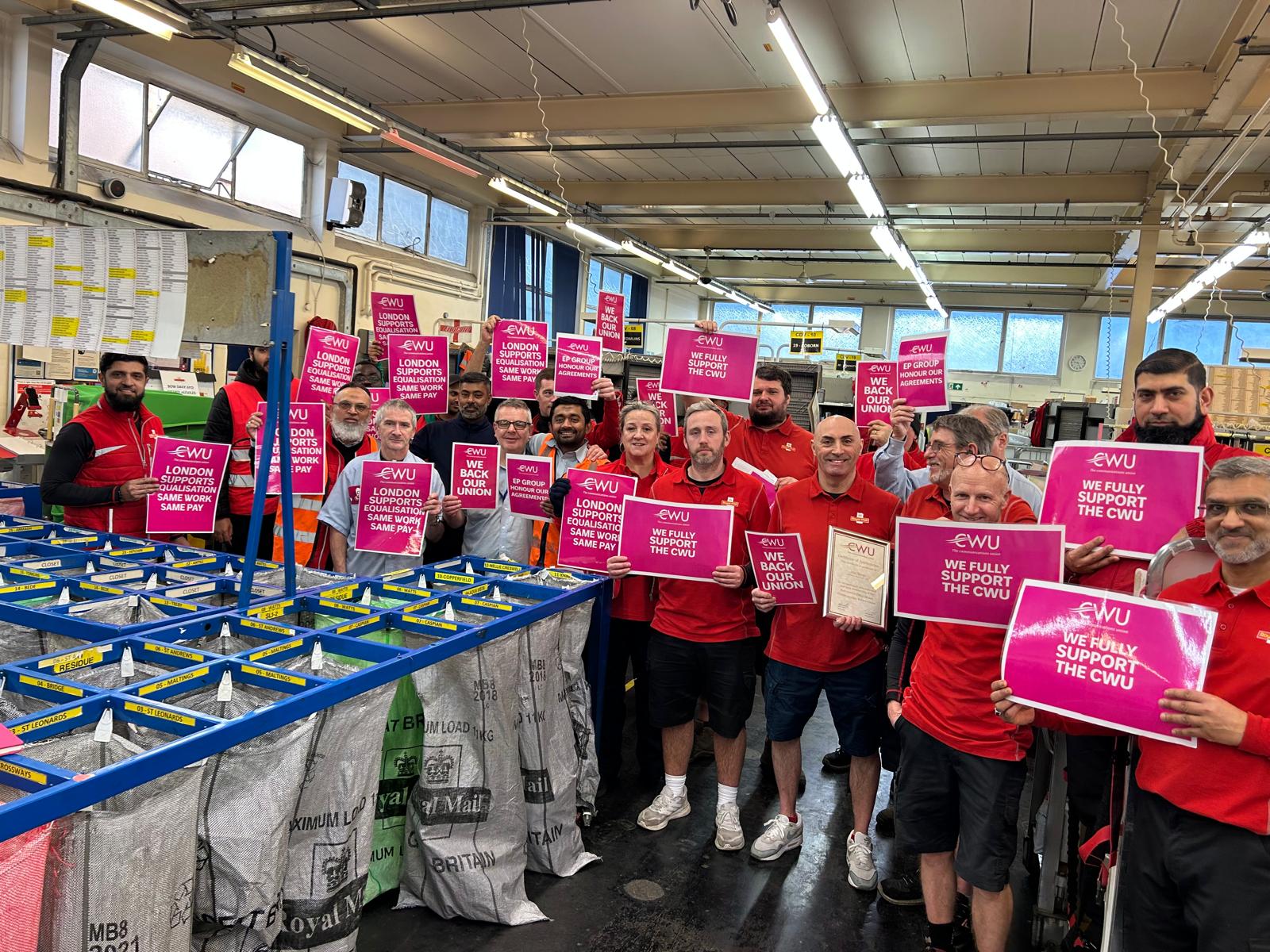
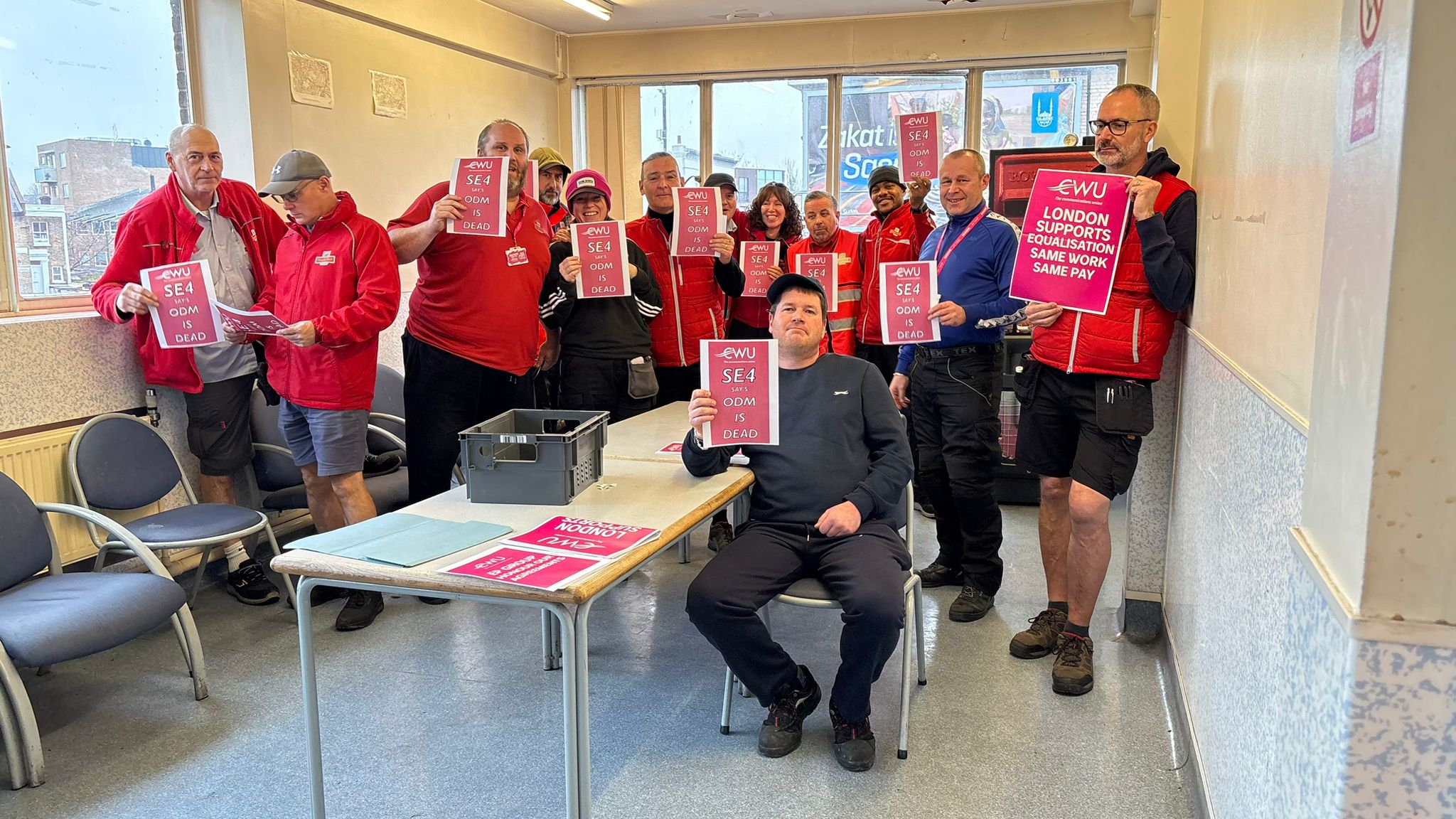
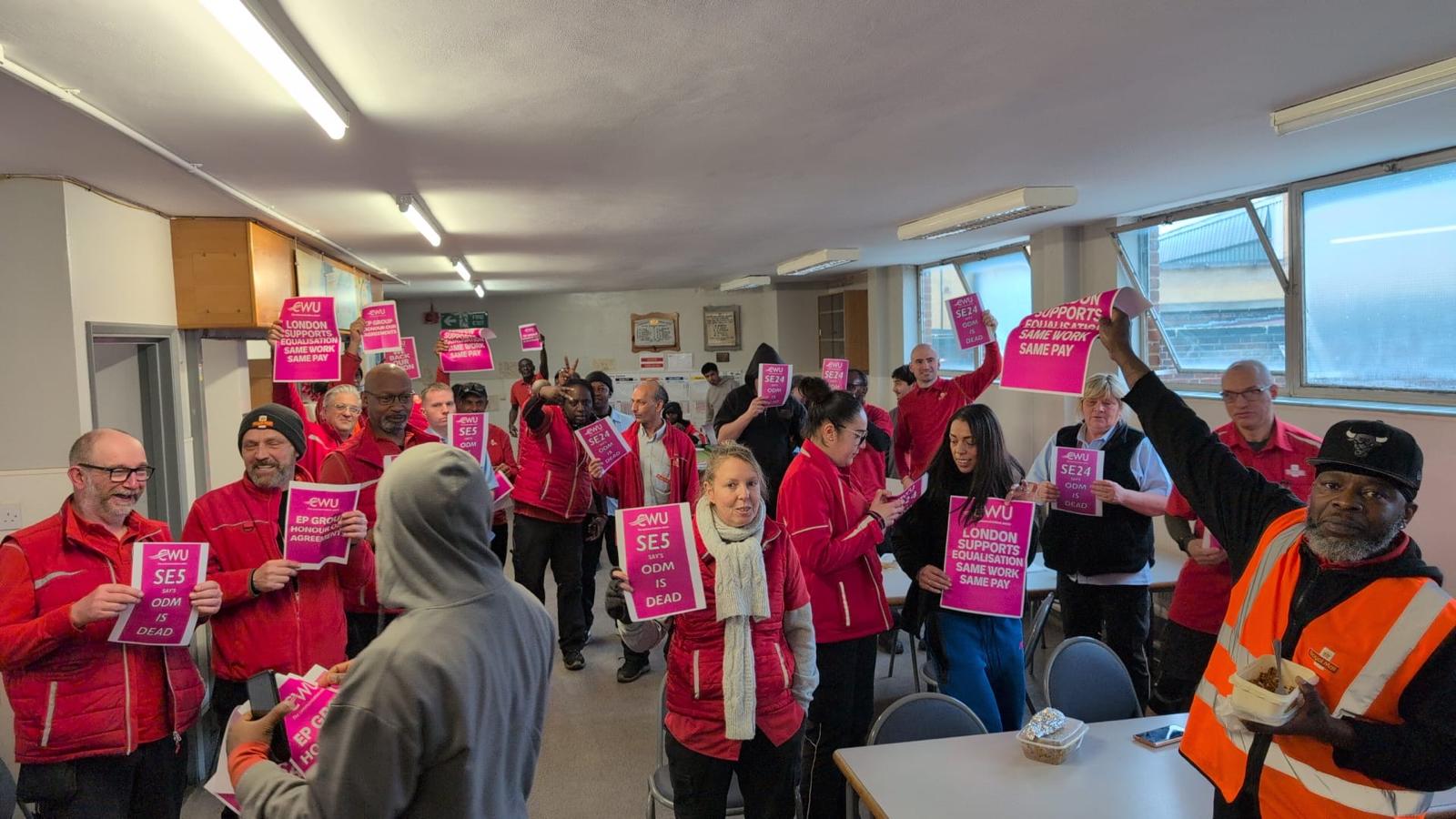
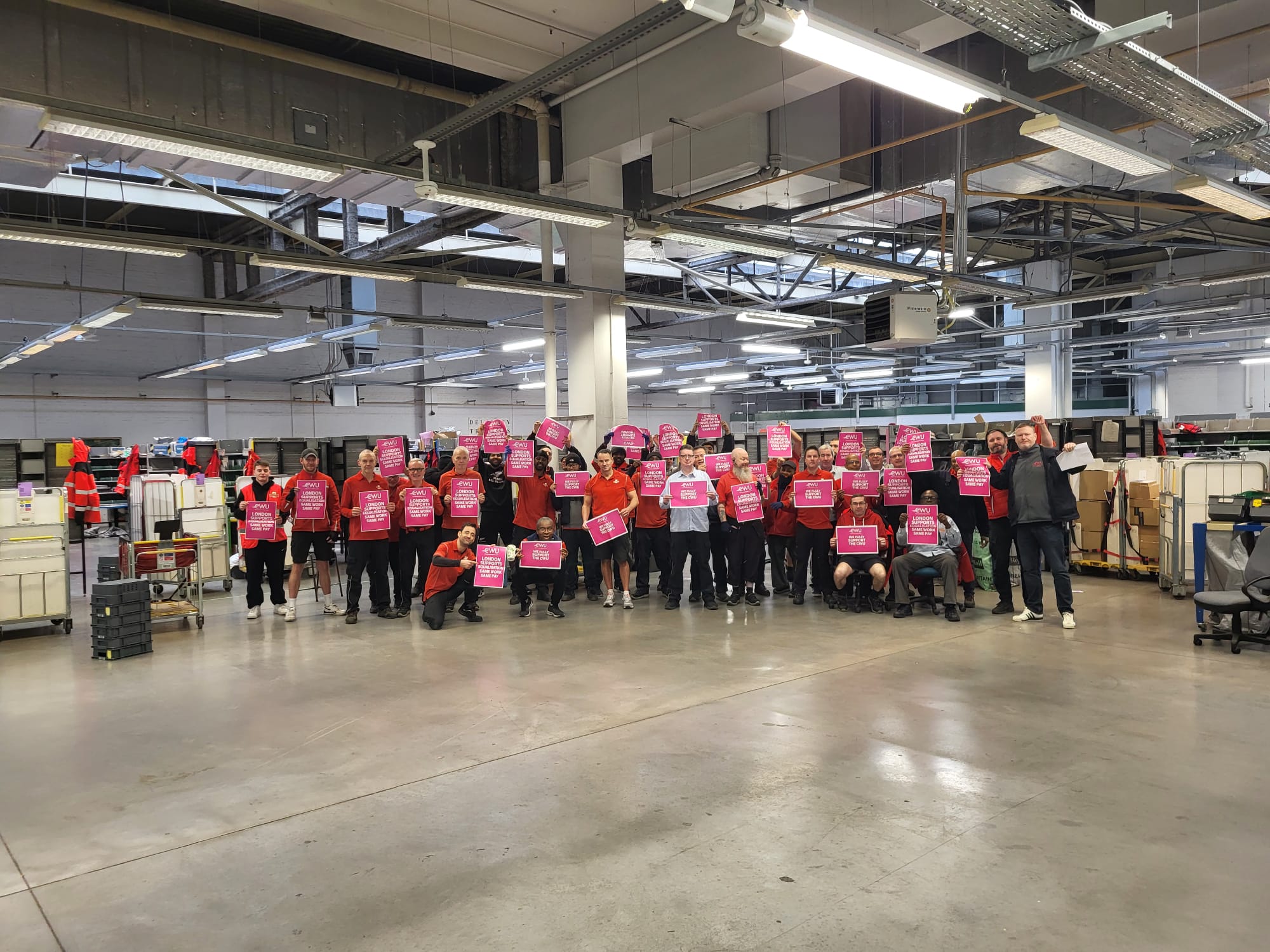
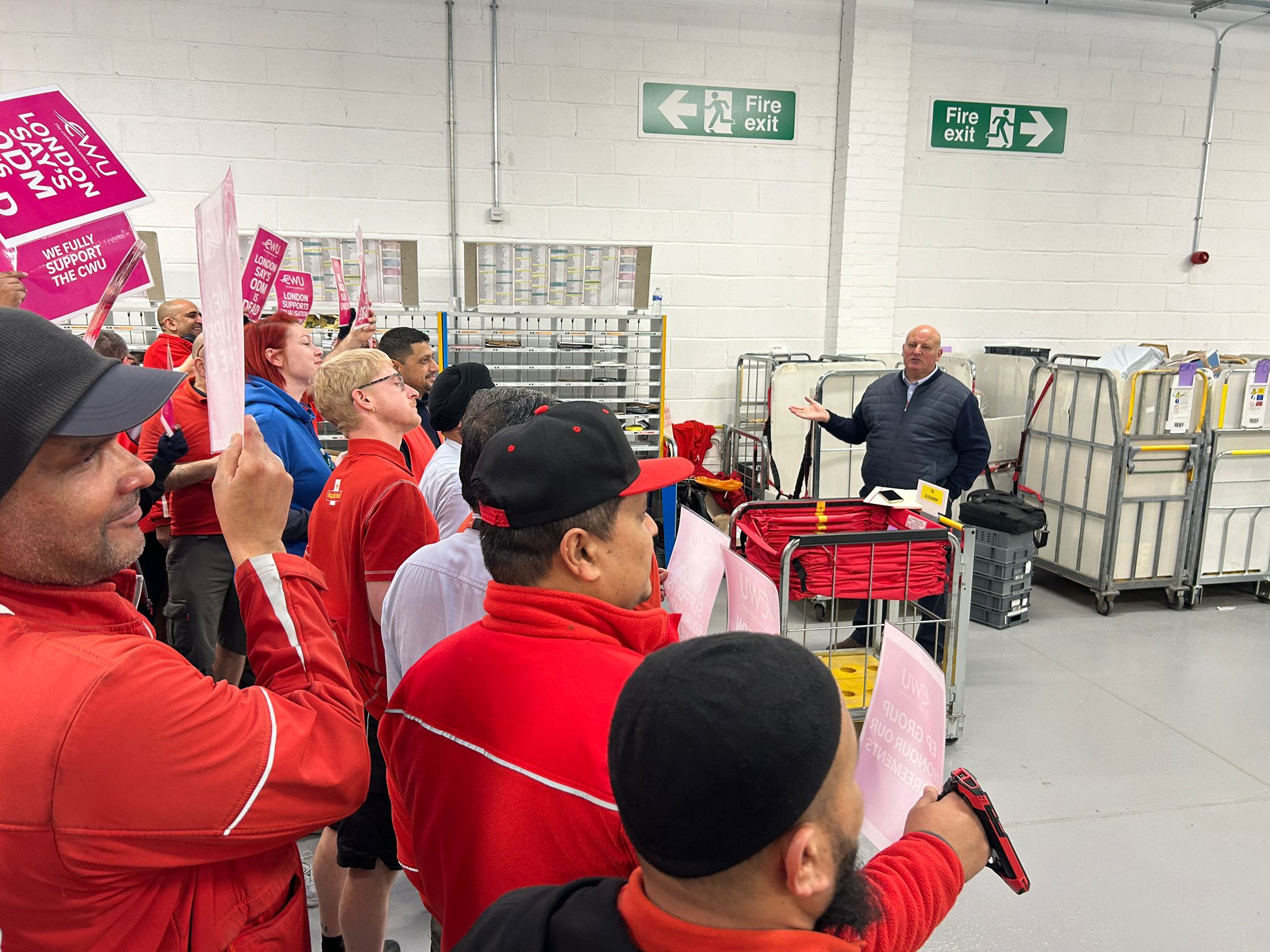
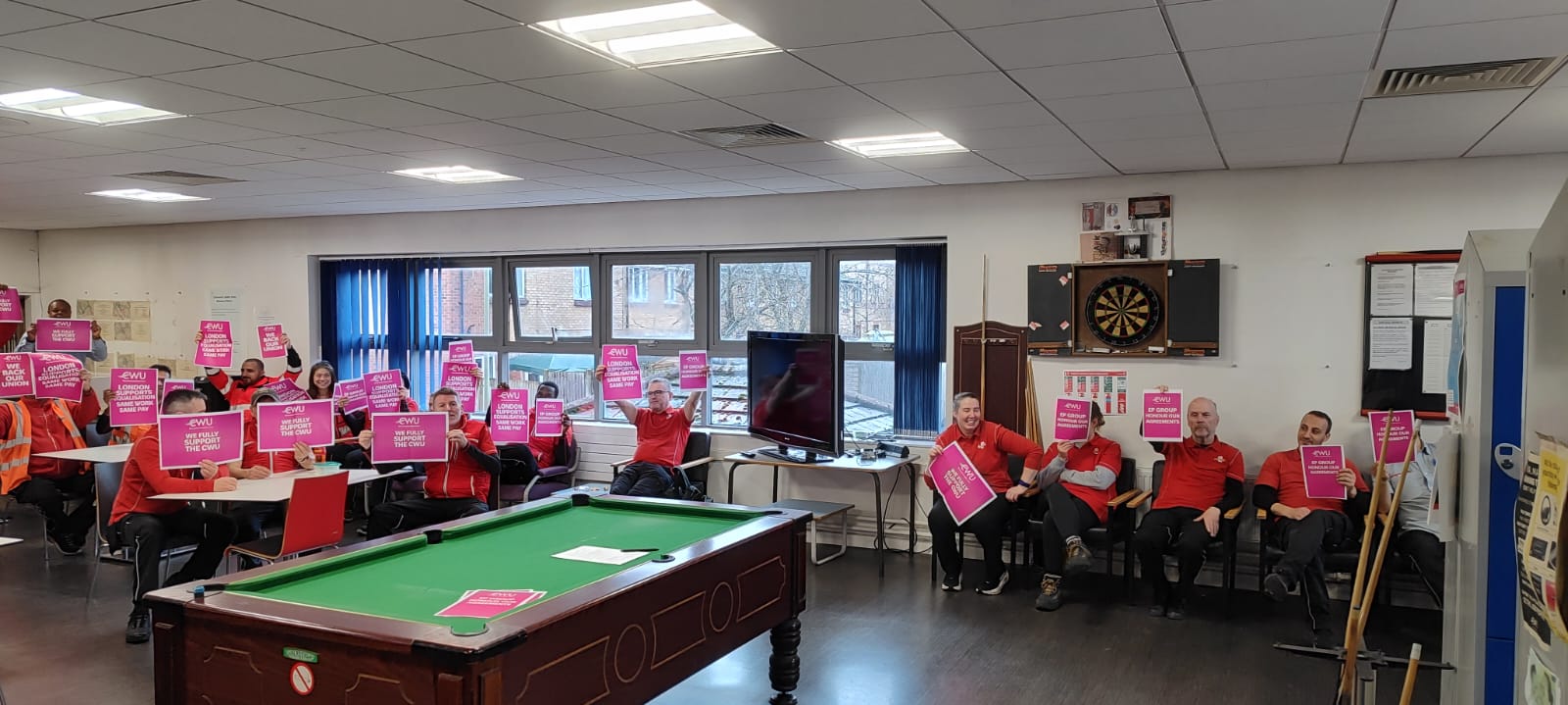
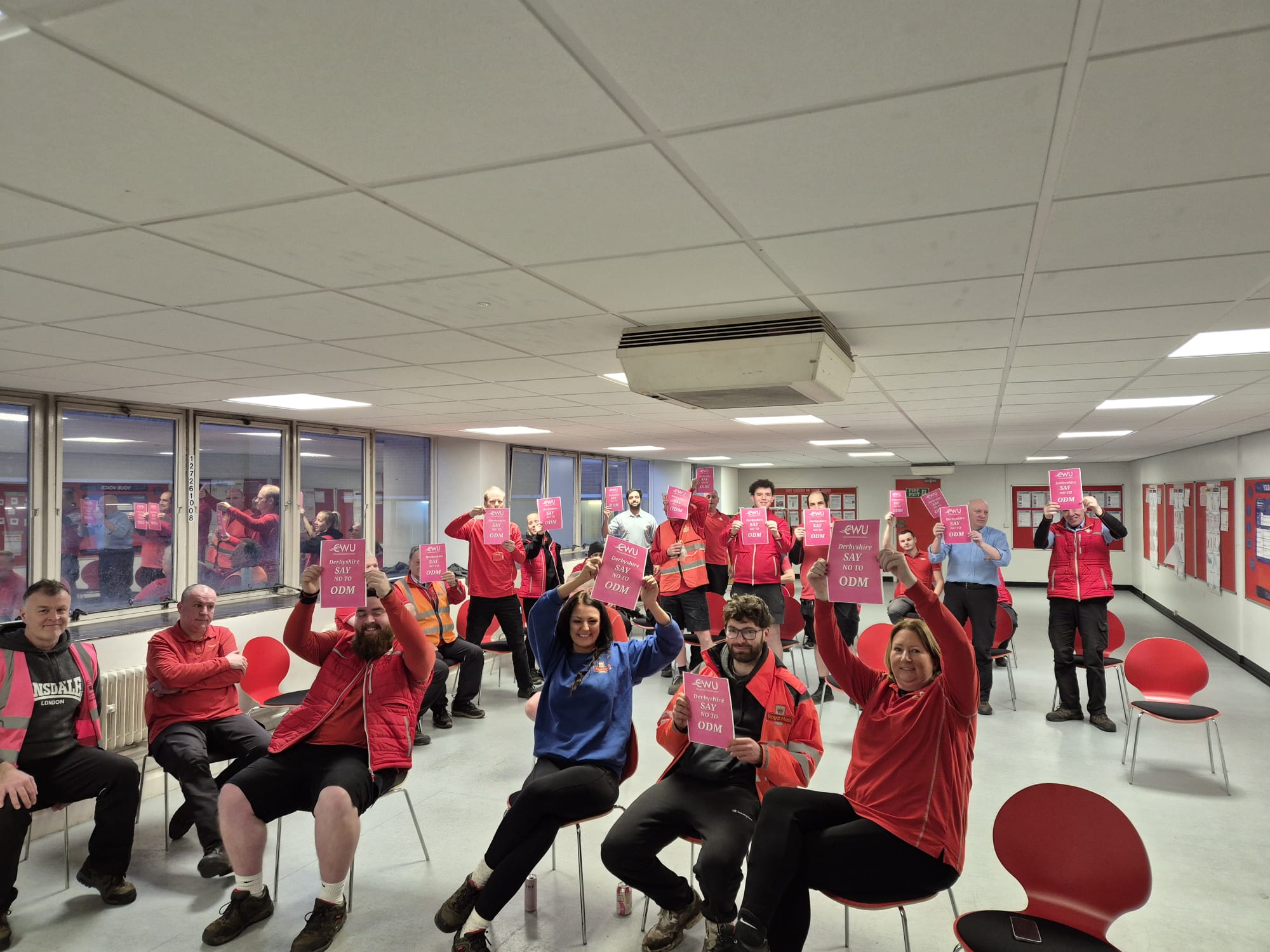
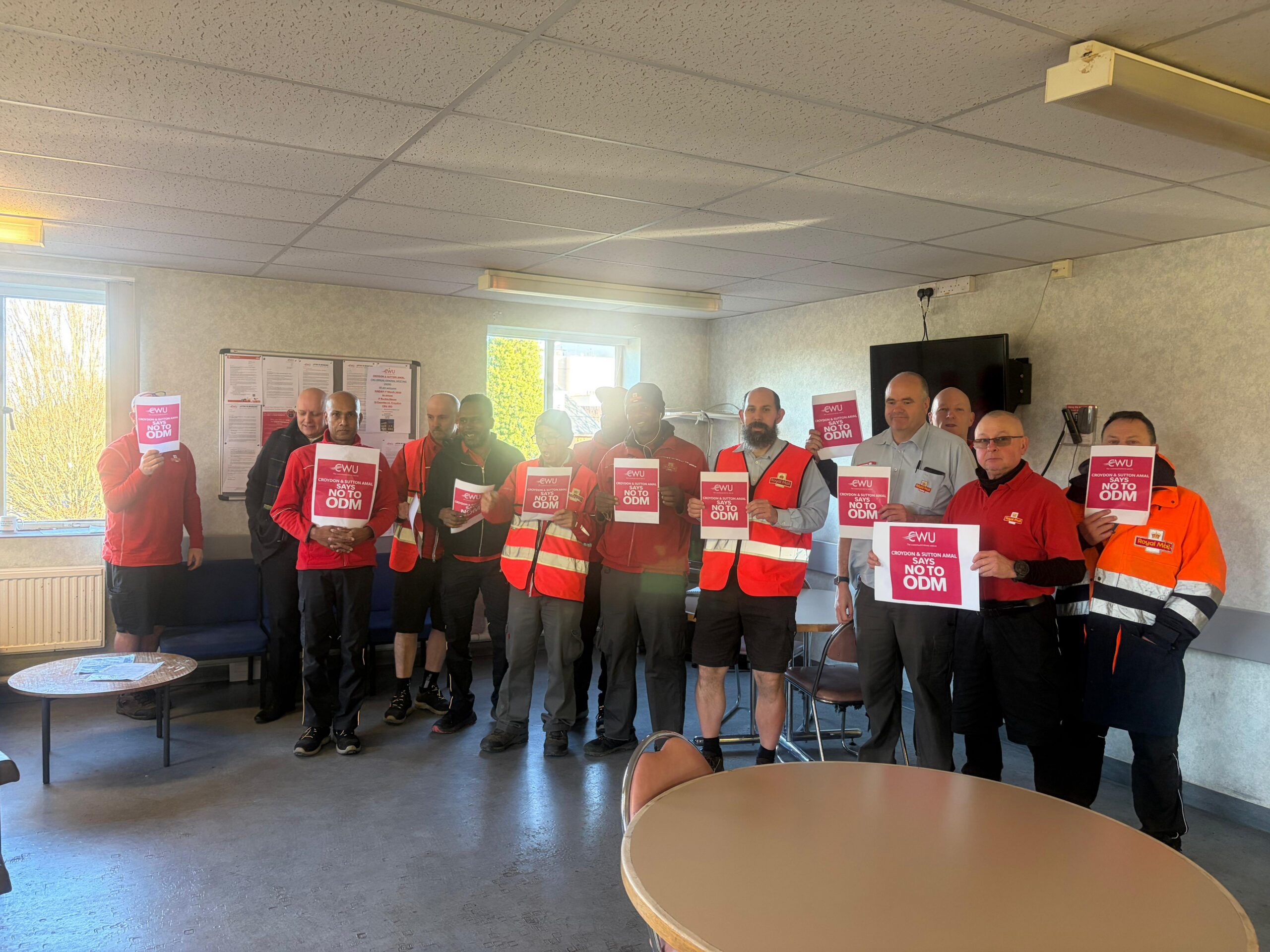
The evidence, data and crucially the feedback from members at the pilot offices is that the ODM design is not working apart from reduced frequency of Saturday attendances. Despite hard work from all involved to implement the change.
On quality of service: The ODM is failing on USO coverage and numerous Royal Mail quality measures. This is important, as the ODM model and wider USO reform is designed to address these areas. Ofcom has warned that, if USO coverage of quality minimum standards are not met, the fines will not be just in the tens of millions but far higher.
To summarise, with these failures and using Royal Mail’s own measurements, only 47 targets out of 175 have been achieved in all the pilot locations. This is 26%.
On efficiency (financial savings): Only eight offices achieved a financial saving under the ODM design. The remaining 27 pilot offices overspent by around 12,566 hours (equal to 339 full-time employees). The majority of the trial sites are spending more hours than they were before the pilot begun, near on 11 months ago. This is important, as Royal Mail has badged the ODM as crucial to the long-term financial stability of the USO.
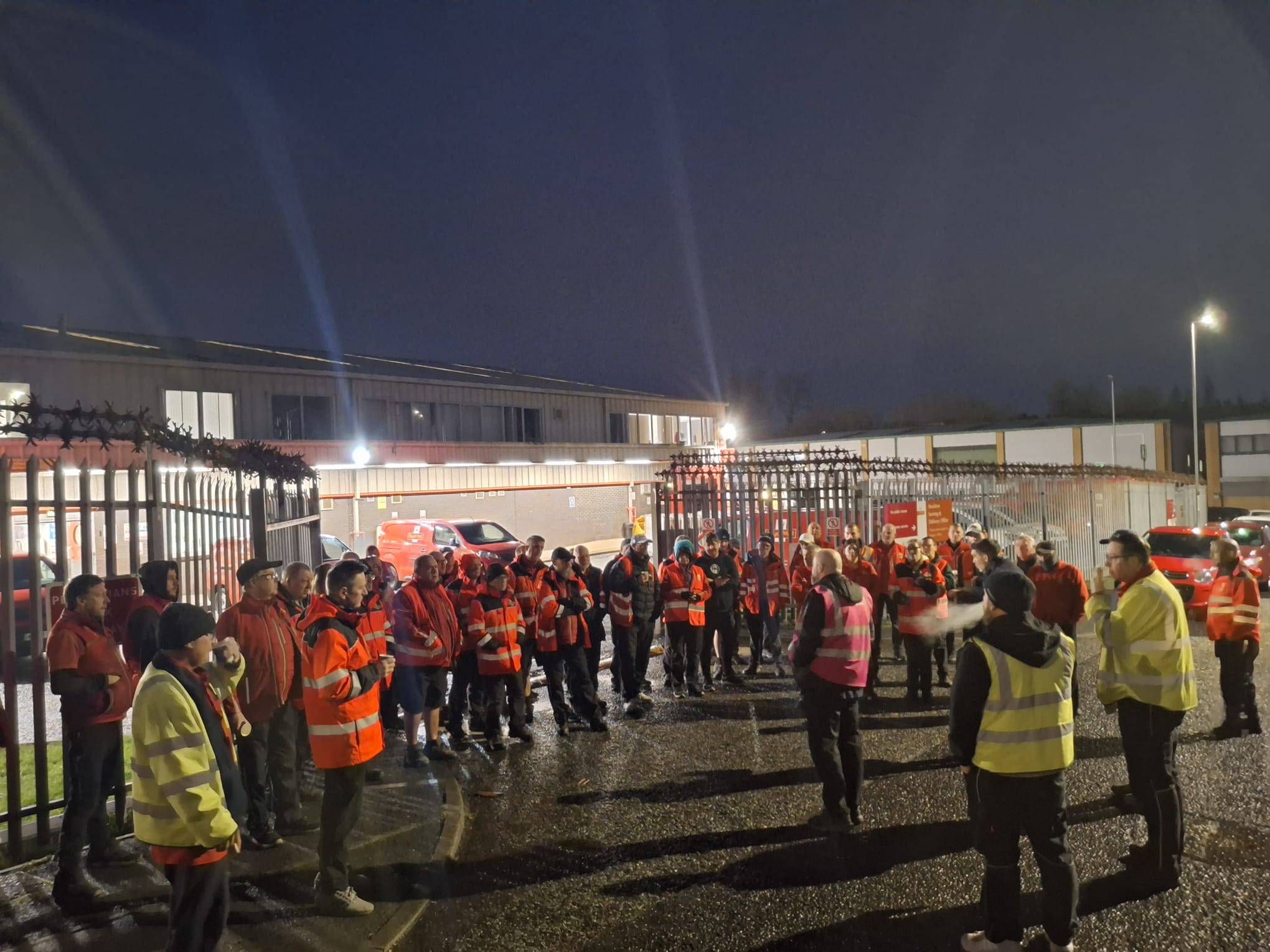
On workload and morale: Whilst no one would argue that overall morale in Royal Mail is not in a good place, the ODM has turned this problem into a workplace crisis. The feedback from members and reps at the pilot offices has been clear and consistent on ODM and includes, but is not limited to, the following:
- Higher than anticipated call rates.
- Unachievable workload on both the core and combined deliveries, with delivery spans being too long.
- Fatigue, including mental fatigue and a demoralised workforce.
- Not enough indoor time.
- No flexibility when sick absence occurs, walks fail and it is then hard to recover as there is four to five days’ worth of non-priority mails to be delivered.
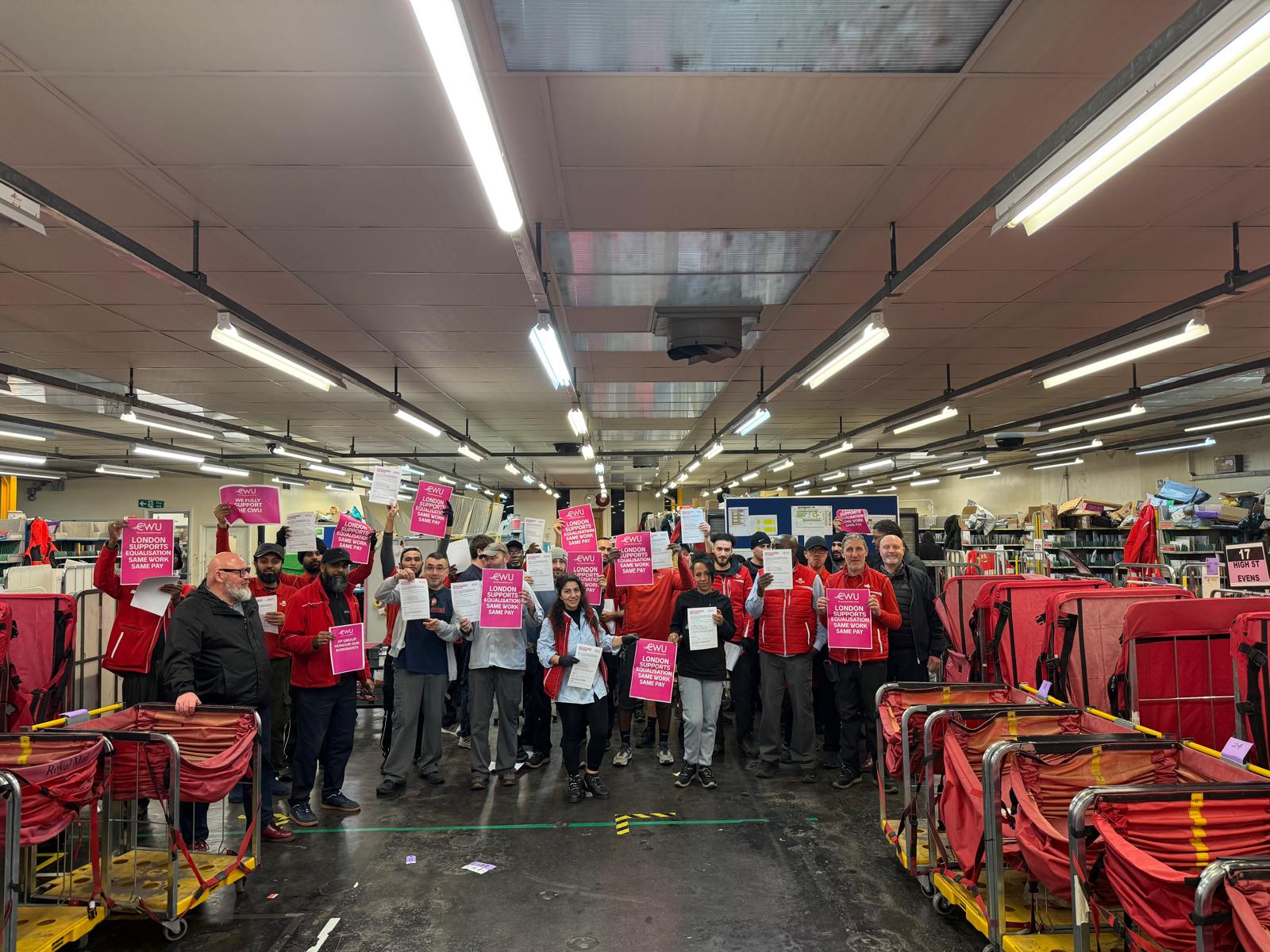
The CWU has been clear. USO reform needs to address the long-standing issue of fair, manageable workload and must improve workplace confidence, morale and trust.
WHY IS ROYAL MAIL STILL PUSHING THE FAILED ODM APPROACH?
We have pointed out that the units in the pilot are across-the-board, covering a number of different postcode areas. If ODM was a workable model, it would be working across all locations, which it is not.
The main reason Royal Mail wishes to stick with ODM is that, on paper, it claims that ODM delivers the most savings, but many Royal Mail managers accept these savings cannot be realised. Disappointingly, and as part of Royal Mail’s formal position in seeking to press on with the ODM, they have now set out the additional changes they want:
- All singleton town routes moving to shared vans.
- Reducing options on attendance patterns and removing the current patterns in place.
- Attendance patterns based on later finishes.
- COM decides most workable attendance patterns.
- COM will allocate duties based on local knowledge before deployment.
- Resign/repick will take place at some stage following deployment with no date and there is no reference to this being done on seniority.
- Job security replaced with individuals moving workplaces and non-drivers being considered surplus.
- No local flexibility around local solutions and options to address local issues.
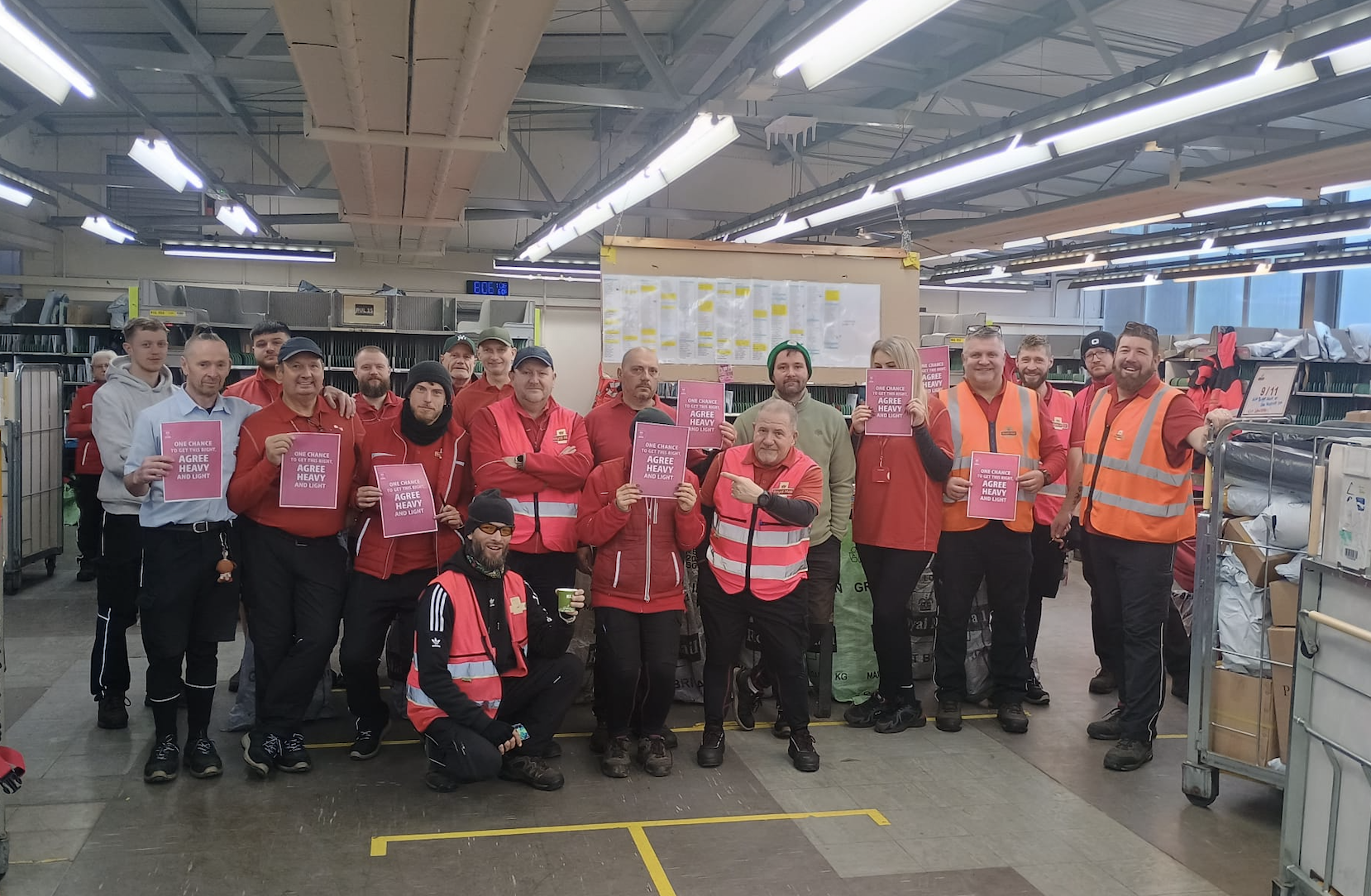
The CWU fully accepts the need for USO reform, but it needs to be the right reform and the CWU has set out alternative proposals for a ‘Heavy and Light’ model.